




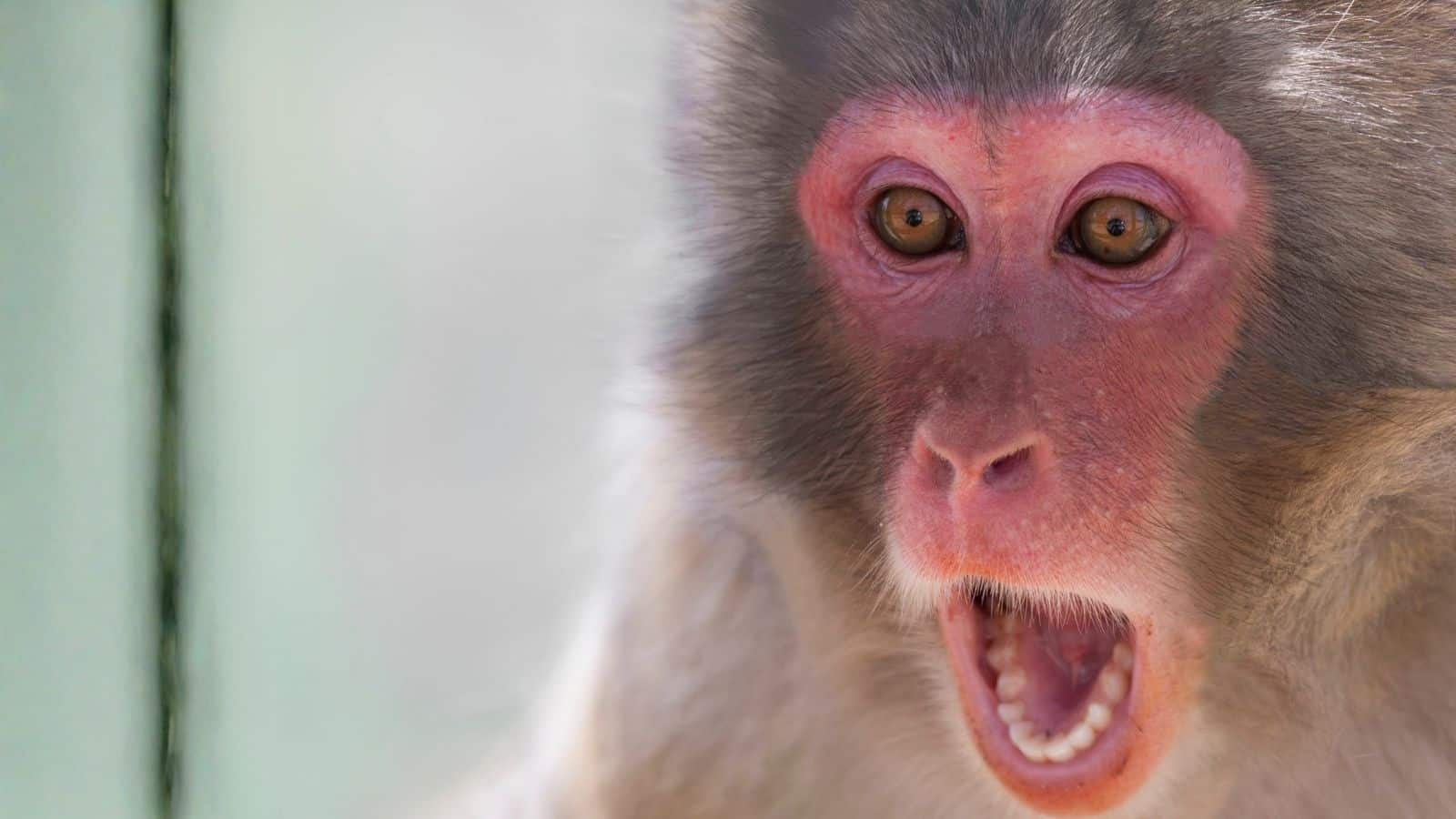
Mom, Did You Know We Came From Monkeys?
I was sitting at an airport one afternoon, waiting for my flight, when I noticed a young boy sitting a few seats away from me. He looked to be about ten years old, wearing a giant set of headphones on his little head and deeply engrossed with a tablet. At a glance, it appeared he was doing something at least mildly educational—perhaps a science app or video lesson.
Then it happened. He nearly jumped out of his seat, turned to his mom with wide-eyed wonder, and exclaimed, “Mom, did you know we came from monkeys?”
Our Kids are Vulnerable
It was a moment equal parts humorous and heartbreaking. The boy wasn’t being sarcastic. He was genuinely shocked—like he had just stumbled upon a wild claim that begged for confirmation from someone he trusted. His tone seemed to say, Mom, this can’t possibly be true, can it?
That innocent question served as a strong reminder to me: our kids are vulnerable. They are constantly absorbing ideas about the world—some true, many false—and adults have a huge responsibility to teach them what is true, good, and beautiful.
This little airport encounter also reminded me that the creation-versus-evolution debate is still alive and well. In a world filled with screens, streaming content, and digital voices shaping young minds, the question of origins remains a foundational issue. How we answer that question shapes everything else about how we see ourselves, others, and God.
Before I get too far, let’s pause and consider a few starter questions:
- Is all matter just a bunch of random atoms bouncing off each other?
- Are human beings merely advanced animals still evolving past our primal instincts?
- Are we, as some believe, locked in a ruthless struggle for survival where only the strongest prevail?
- Does life have any real meaning—or are we just the accidental byproducts of chance?
- Or… is there an all-powerful Creator who designed the universe and every living thing with a purpose?
Apologia’s Stance
At Apologia, our answer is an emphatic yes! (to the last question only, of course!). There is indeed a Creator—a personal, loving, sovereign God—who made everything out of nothing by the power of His Word. “In the beginning, God created the heavens and the earth” (Genesis 1:1). That single verse is the cornerstone of a Christian worldview. And yes, God created human beings in His own image (Genesis 1:27), distinct from animals, with a grand purpose: to know Him, to love Him, and to fill the earth with His glory. That’s not just a poetic notion; it’s the true story of who we are and why we exist.
This is why Christian parents must be intentional about providing their children with creation-based science, math, and Bible curriculum. The world is preaching its own version of origins every day—through textbooks, media, and even cartoons. If we don’t proactively teach our kids the truth, the culture will gladly fill the vacuum with counterfeits. But here’s the good news: when you homeschool, you have the freedom and opportunity to do exactly that. You can build a solid foundation of biblical truth for your children one subject at a time.
At Apologia, every one of our courses is written with the homeschool student in mind. You don’t have to be a scientist, theologian, or math expert to give your kids a Christ-centered education. The textbook is designed to be the teacher, walking the student through the material in a clear, conversational style that feels like a trusted mentor guiding them along. We incorporate a Charlotte Mason-inspired philosophy that values curiosity, wonder, and delight in learning. We don’t rely on the traditional “drill and kill” method of repetitive testing that so often snuffs out the joy of discovery. Instead, we emphasize real understanding, critical thinking, and awe for God’s creation.
For our younger students, we offer beautifully designed notebooking journals. These give children a creative space to process what they’ve learned, draw what they’ve observed, and record their discoveries. It’s not just science—it’s worship of God and admiration of his creation through learning. When a child realizes that the God who painted the Milky Way also crafted tiny squirming amoebas, their heart can’t help but respond in praise.
It’s About Discipleship
The goal isn’t merely academic success; it’s discipleship. We want our kids to fall in love with God, with His Word, and with the wonders of His world. And when they do, they’ll be able to stand firm when the world tells them a different story. And that matters because the world will tell them a different story. It will say that humans are the product of millions of years of random mutations. It will insist that morality is subjective, purpose is self-made, and faith is outdated. But we know better. We know that our Creator spoke galaxies into existence and breathed life into man. We know that our identity and purpose are found in Christ alone.
Conclusion
So, as I sat there in that airport, I silently prayed for that boy—and for every child hearing conflicting messages about who they are and where they came from. May they have parents, teachers, and mentors who will tell them the truth with confidence and grace. And may we, as homeschooling parents, be faithful stewards of the little hearts and minds entrusted to our care.
Oh, and one final note before we board the plane: No, we did not come from monkeys. Whew. That’s a relief.
Reflection Questions:
- How can you be more intentional about teaching your children biblical truth in their science and worldview studies?
- What are some ways your family can cultivate awe and wonder for God’s creation in everyday life?
- Who or what are the “voices” influencing your children’s beliefs—and how can you make sure God’s voice is the loudest one they hear?